
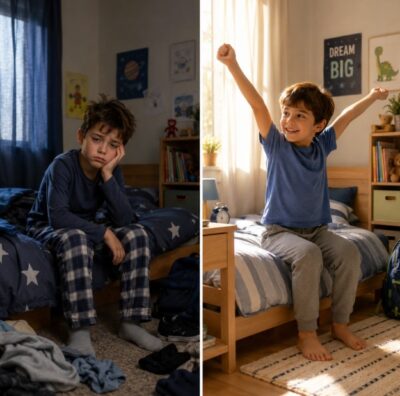
 A child who has not slept well may not simply look tired the next day. They might argue over small things, cry more easily, struggle to follow instructions, or seem unusually energetic. For parents, these behaviors can be confusing, particularly when there is no obvious reason for the change.
Sleep gives a child’s body and brain time to recover from the day. It also supports attention, learning, emotional control, and memory. While one late night is unlikely to cause lasting problems, regularly missing needed sleep can influence how a child feels and behaves during waking hours. A North Shore sleep consultant can help families better understand sleep patterns and establish routines that support healthier rest. Recognizing the connection between sleep and daytime behavior can help parents view good sleep as an important part of a child’s overall emotional well-being.
Tiredness Can Change a Child’s Mood
Adults often become irritable after a poor night’s sleep, and children can experience something similar. The difference is that younger children may have fewer skills to recognize and manage those feelings.
When tired, a child who normally handles a small disappointment reasonably well might suddenly become tearful or angry. Being asked to turn off the television, put away a toy, or get dressed could lead to a much stronger-than-expected reaction.
Some children become quieter instead. They may lose interest in activities they usually enjoy or seem less willing to interact with family members. Parents should avoid assuming that every difficult mood is caused by tiredness. Still, if irritability regularly follows late nights or interrupted sleep, the connection is worth noticing.
Poor Sleep Can Make Self-Control Harder
Self-control develops gradually throughout childhood. Children have to learn how to wait, follow rules, manage impulses, and think before acting. Being well-rested can make those tasks easier. When children are tired, their ability to pause and regulate their reactions may be reduced.
At home, this might look like interrupting, ignoring instructions, fighting with siblings, or becoming frustrated quickly. In the classroom, a tired child may have difficulty waiting for a turn or staying focused on what the teacher is saying. These behaviors can sometimes be mistaken for deliberate disobedience. Looking at the child’s recent sleep pattern can provide useful context before deciding how to respond.
Sleep Affects Concentration
Attention and behavior are closely related. A child who cannot concentrate may appear uncooperative even when they are trying to follow directions. A child may repeatedly lose track of what they are doing or need information explained several times. Adequate sleep will not solve every attention or learning problem. But it provides the brain with conditions that support concentration and memory, making everyday learning more manageable.
Sleep Can Influence Social Interactions
Playing and communicating with other children requires emotional control. Children need to take turns, handle disagreements, understand social cues, and recover when things don’t go their way.
These interactions may become more difficult after insufficient sleep. A tired child might react more strongly to a friend’s comment, become impatient during a game, or struggle to compromise.
Older children may respond differently. Rather than becoming openly argumentative, they might withdraw or avoid social situations because they feel drained. When social conflicts suddenly become more frequent, parents can consider several possible factors, including changes at school, stress, friendships, and sleep.
Sleep and Emotional Health Can Affect Each Other
The relationship between sleep and emotional health works in both directions. Worry can make it difficult for a child to fall asleep. They may lie awake thinking about school, friendships, family changes, or something that frightened them. Then, after sleeping poorly, they may have less emotional energy to cope with those worries the following day.
This can sometimes develop into a cycle in which stress interferes with sleep and inadequate sleep makes stress harder to manage. Parents can create opportunities for children to talk about concerns earlier in the day rather than waiting until bedtime. A calm conversation may reveal that a child who repeatedly says they cannot sleep is worried about something specific.
Hyperactivity Can Sometimes Signal Tiredness
Parents often expect a tired child to slow down and become sleepy. But some children respond to fatigue by becoming increasingly active. They may run around, become silly, talk loudly, or seem unable to stop moving. This burst of energy can appear just when parents expect them to settle for bed.
Keeping a child awake longer because they seem energetic may make the problem worse. Instead, parents can look for other signs of fatigue, such as yawning, rubbing their eyes, becoming clumsy, or reacting emotionally to minor problems. Patterns are often easier to recognize when bedtime and wake time remain fairly consistent.
Bedtime Habits Can Support Emotional Well-Being
A predictable evening routine can help children move from an active day toward sleep. It does not need to involve an elaborate set of activities. A simple sequence such as bathing, brushing teeth, changing into pajamas, and reading together can signal that bedtime is approaching. Keeping the routine similar each evening can also reduce arguments about what happens next.
Limiting stimulating activities near bedtime may help. Fast-paced games, exciting videos, and constant phone notifications can make it harder to switch into a quieter state. The bedroom should also be comfortable, reasonably dark, and suitable for rest.
Know When Sleep Problems Need More Attention
Occasional restless nights are part of childhood. Illness, holidays, excitement, travel, and changes in routine can temporarily affect sleep. Ongoing difficulties are different. Parents should consider speaking with a healthcare professional if a child regularly struggles to fall or stay asleep, snores heavily, has unusual breathing during sleep, is consistently difficult to wake, or remains excessively sleepy during the day.
Sleep is only one influence on a child’s mood and behavior, but it is an important one. Children still need guidance, emotional support, boundaries, and opportunities to talk about what they are experiencing. And when healthy sleep is part of that wider support, children are better equipped to concentrate, manage frustration, build relationships, and cope with the ordinary emotional demands of growing up.