
Massage therapy has long been a cornerstone of wellness in Korea, woven into the fabric of daily life. Far from being just a luxury, it offers tangible health benefits supported by science. From bustling cities to serene countryside retreats, Koreans have embraced massage as a tool for improving physical and mental well-being. This practice, deeply rooted in tradition, is now amplified by modern platforms that make accessing professional services easier than ever. Let’s explore how regular massage therapy, as integrated into Korean wellness culture, enhances circulation, reduces stress, and alleviates chronic pain.
Korean wellness culture thrives on accessibility and community. Platforms like OPCMD connect people with trusted massage providers, ensuring quality care is just a click away. These services cater to diverse needs, from quick sessions for office workers to specialized treatments for athletes. By streamlining access, such platforms have made massage a practical part of daily health routines. This integration reflects Korea’s forward-thinking approach to wellness, blending tradition with technology to promote holistic health.
Boosting Circulation for Better Health
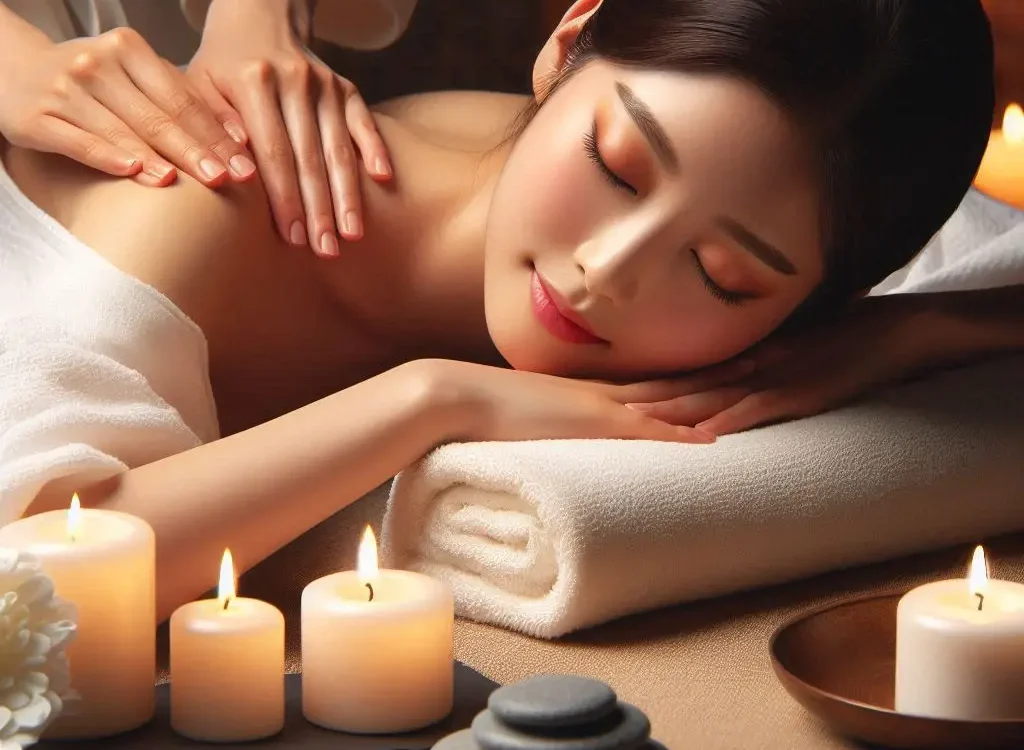
One major benefit of regular massage is improved blood circulation. When muscles are kneaded and stretched, blood flow increases, delivering oxygen and nutrients more efficiently throughout the body. A 2014 study in the Journal of Alternative and Complementary Medicine found that massage therapy significantly enhances circulation, which can lower blood pressure and reduce the risk of cardiovascular issues. In Korea, where long work hours are common, massages offer a natural way to counteract the effects of sedentary lifestyles. Enhanced circulation also supports faster muscle recovery, making it a favorite among athletes and fitness enthusiasts.
Why does this matter? Poor circulation can lead to fatigue, swelling, and even chronic conditions over time. Regular massage sessions, whether through deep tissue techniques or lighter Swedish methods, help keep the body’s systems running smoothly. In Korean spas, or jjimjilbangs, massage is often paired with heat therapy to amplify these effects. The result? A refreshed body ready to tackle daily challenges.
Stress Relief: A Mental Reset
Stress is a universal challenge, but Korea’s fast-paced urban life makes it especially prevalent. Massage therapy offers a powerful antidote. By stimulating the parasympathetic nervous system, massages reduce cortisol levels, the hormone linked to stress. A 2020 study published in Scientific Reports showed that even a single massage session can lower cortisol while boosting serotonin, the feel-good neurotransmitter. This dual effect creates a sense of calm and emotional balance.
Korean wellness culture emphasizes mental health as much as physical health. Massage sessions, often accompanied by soothing music or aromatherapy, provide a sanctuary from daily pressures. For many, a 60-minute session feels like hitting a reset button. Whether it’s a quick chair massage during a lunch break or a full-body treatment, the mental clarity gained is undeniable. Have you ever felt your worries melt away under skilled hands? That’s the magic of massage at work.
READ ALSO: The Potent Effectiveness of Home-Based Therapy for Adolescents
Tackling Chronic Pain
Chronic pain affects millions worldwide, and Korea is no exception. Whether it’s back pain from long hours at a desk or joint discomfort from aging, massage therapy offers relief without relying on medication. Techniques like deep tissue massage target muscle knots and tension, while myofascial release can address deeper connective tissue issues. Research from the Annals of Family Medicine in 2016 showed that regular massage significantly reduces pain and improves mobility in patients with chronic lower back pain.
In Korea, massage therapists often blend traditional techniques, like acupressure, with modern methods. This fusion targets pain at its source, promoting long-term relief. For those dealing with conditions like arthritis or fibromyalgia, consistent sessions can improve quality of life. Imagine waking up without that nagging ache in your shoulders! Massage makes that possible for many, offering a drug-free path to comfort.
Why Korean Wellness Culture Stands Out
Korea’s approach to massage therapy is unique. It’s not just about relaxation; it’s about integrating health practices into everyday life. Platforms like OPCMD make this accessible, connecting users with skilled professionals who understand the science behind the techniques. This synergy of tradition, innovation, and accessibility sets Korea apart as a leader in wellness.
Regular massage therapy does more than feel good; it transforms lives. From better circulation to stress relief and pain management, the benefits are backed by science and embraced by a culture that values well-being. So, why not give it a try? Your body and mind will thank you.